Physical Security Series – Article 1
Providing a safe and secure learning environment is the primary goal of every school, whether private or public. A safe school fosters an environment where faculty devote their attention to teaching and students concentrate on learning. A safe and secure school allows everyone to focus on the mission. To teach. To learn.
The challenge is in designing and operating a security program that provides a safe and learning environment.
A poorly run security program gives parents, students, faculty, and staff the false impression that they are safe. The school’s community sees security officers on campus and assumes they have things under control, that they can keep the lions outside the gates.

When a school relies on an in-house security team, it may face challenges if the staff lack the training and experience needed to manage a security program effectively. Alternatively, if the school uses a contracted security provider, the agreement may limit the company’s role, preventing its officers from contributing to the development or implementation of the school’s emergency response plans.
ZeroNow, a national nonprofit organization focused on bringing together “education, technology, public safety, and industry leaders in a collective mission to end school violence through innovation, collaboration, and action”, recently released a whitepaper titled “Foundational School Physical Security.”
The report leads off with “[t]here generally accepted, highly effective foundational physical security tools that should be available to school staff and students and required as part of every schoolʼs basic security profile. First, securable space at two levels: the building envelope and at the classroom door. And second, effective communication, the ability to hear and be heard from all occupied spaces in a school. These basic capabilities need to be incorporated into, and available, in every K12 school.”
As a member of ZeroNow’s National Council of School Safety Directors, I agree. Exterior and interior door security are key elements of a comprehensive security program. In fact, in Tennessee, schools are mandated, under TN Code § 49-6-817, to keep all exterior doors locked anytime students are present on campus participating in a school-related activity.
However, keeping schools safe takes more than guards and locked doors.
Serva Security, based in Nashville, TN, has helped more than a dozen schools develop and implement comprehensive security programs that mitigate risk and maximize security. Here are some of the essential tools and elements a school’s security program should include:
Elements of a Comprehensive School Security Program
A Layered Physical Security System and Access Control –
- Signage
- Lighting
- Barriers and Fences
- Secure doors and Access Control
- Video Surveillance System
Comprehensive Policies and Procedures –

- Use of Force Policy
- Daily Security and Incident Reports
- Events and Sports Operations Plans
- Trespassing
Emergency Communication System with Redundancy –
- Handheld radios
- Public Address (PA) System
- Desktop telephones with mass notification abilities
- Cellphone-based notification apps
Armed Guard Team –
- Highly visible
- Well-trained
- Standards of conduct and fitness
- Standards for firearms and tactical proficiency
- Trauma care training
All-Hazards Emergency Operations Plan –
- Prevention and Mitigation plans
- Response plans
- Safety/Crisis Team Training
- Recovery plans.
Strong School Community –
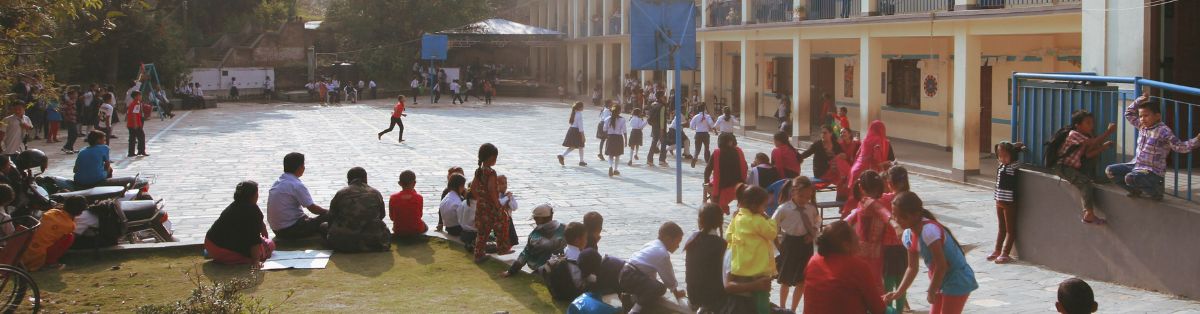
- One final element, but equally important, is a strong school community where parents, students, faculty, and staff care about the people and the school’s mission.
If you have concerns about your school’s security program, contact Serva Security today.
ABOUT THE AUTHOR

Mike Donaldson
Mike Donaldson, CPP, PSP, is Security Director at Serva PRS and a retired Fairfax County (VA) Police officer with 25 years of service—20 on Special Operations/SWAT. He leads residential and executive protection programs that blend fortified safe room design with modern protective intelligence. Before Serva PRS, Mike worked in corporate and political security specializing in due diligence research, threat assessment, and protective operations.